
Wizileaks - County Edition Nakuru's business of corruption
Nakuru County has become a stage for corruption—where tenders are rigged, public land is stolen, and infrastructure turns into ghost projects. Inflated contracts flow to politically connected firms through falsified evaluations, while land cartels backed by county officials grab property meant for the public. Stadiums, hospitals, and markets stall mid-construction, collapsing before handover or left abandoned for years. What emerges is a pattern of systemic fraud, weak oversight, and political shielding that robs citizens of the services and development they were promised.
Where it Hurts
Procurement Fraud & Tenderpreneurship
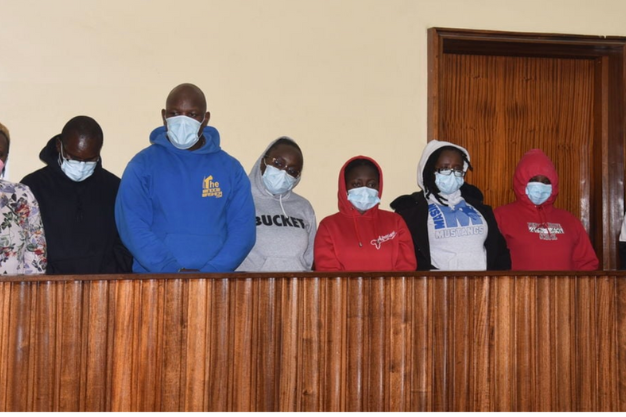
We found that county tenders in Nakuru are routinely rigged through manipulated procurement evaluations, collusion between committee members and politically connected contractors, and disregard for legal procurement thresholds.
Example: Kiratina Market Tender Scam
A KSh 7.9 million tender was inflated to KSh 10 million and unlawfully awarded to Levki Contractors Limited. Tender committee members colluded to bypass procurement laws, while project supervision was deliberately neglected. Only one market shed was built, and it collapsed before handover
- Ignored guidelines: No proper technical evaluation was done.
- Falsified records: Tender minutes and evaluation documents were fabricated.
- Delayed detection: The scam happened in 2017. Arrests only came in 2023.
- Minimal deterrence: Two suspects remain at large. Others released on low bond.
- Oversight vacuum: County officials who approved the payment faced no sanctions.
Land grabbing and property fraud
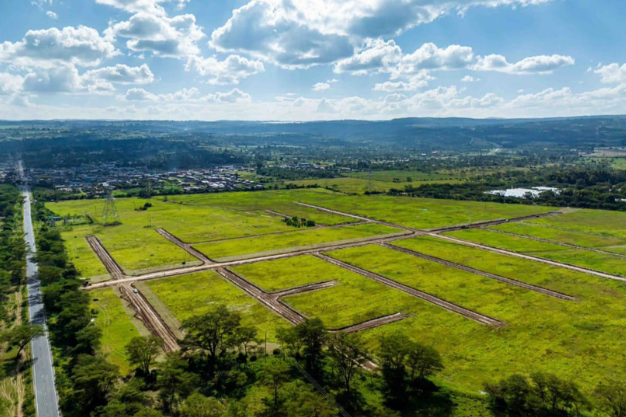
Public land in Nakuru is quietly stolen, our investigations find, through fraudulent title allocations, collusion between county land officers and private developers, and deliberate non-enforcement of court rulings intended to reverse the grabs.
Example: Kalro Land Scandal
Since 2013, over 3,000 acres of government land meant for agricultural research have been grabbed in Naivasha. Private developers, often protected by senior politicians and civil servants, acquired land through fraudulent title transfers.
- Enforcement paralysis: Court orders to repossess land have been routinely ignored by developers and government officials.
- Weak legal penalties: Titles are occasionally revoked, but no criminal convictions or significant consequences follow.
- Political shielding: Senate inquiries call for reforms, but land cartels backed by powerful interests continue grabbing property.
- Slow judicial action: Land disputes drag through courts for years, while land remains occupied and further subdivided.
Infrastructure and Ghost Projects
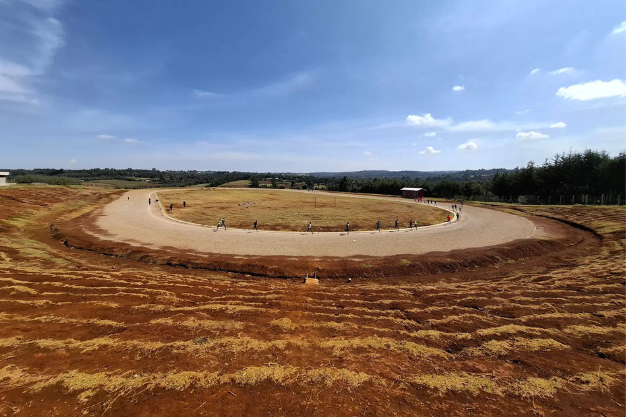
Infrastructure projects are used as cash conduits through inflated budgets, substandard works, and poor supervision. Contracts are issued to favored firms with weak delivery oversight, while funds are released without tying disbursement to project milestones.
Example: Keringet Stadium Project
A KSh 124 million project to build a high-altitude athletics stadium stalled for over four years. While phase one was reportedly 95% complete by 2024, works remain unfinished.
- Poor project oversight: The Auditor General flagged persistent mismanagement, with no consequences for contractors or county officials.
- Delayed fund disbursement without performance benchmarks: Payments flowed even as work stalled.
- Political transitions disrupted priorities: Each new administration reshuffled priorities, causing delays and leaving projects abandoned.
- No penalties for non-performance: Contractors delayed work without risk of financial or legal repercussions.
- Lack of transparency: Little public disclosure on expenditure or project progress has prevented community oversight.
Nakuru has cycled through three governors since the advent of Devolution. Yet corruption — from tender fraud to land grabbing — has remained alarmingly consistent. Whether by action or inaction, successive leaders have allowed these practices to take root. The buck, inevitably, stops with them.
The Buck Stops Here — But the Rot Runs Deeper
Since devolution, Nakuru has had three governors, each inheriting a county riddled with financial malpractice, rigged tenders, land grabs, and petty bribery. While it’s tempting to tie specific scandals to individual administrations, the truth is far deeper and more troubling. What emerges from the record is not a series of isolated leadership failures, but a well-entrenched system of corruption that has outlived each regime. The real indictment lies in how little successive governors have done to confront or dismantle these networks. The indeed stops with them stop with them, but the rot runs through an entire system they’ve largely allowed to persist.

Audit Reports reveal a pattern of systemic cracks
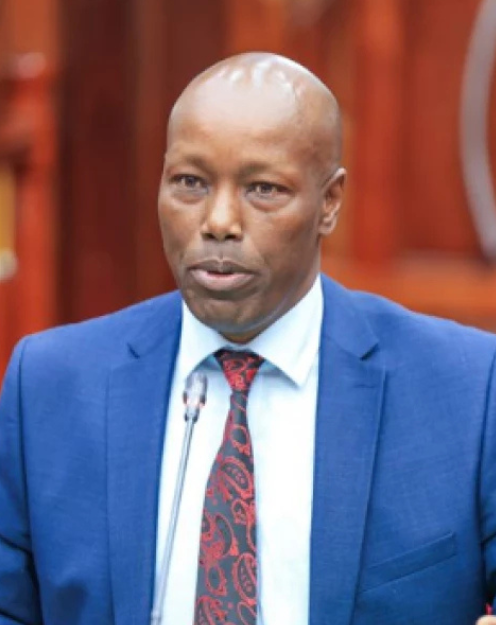
Auditor–General reviews of Nakuru reveal systemic leakages across revenue, cash management, assets, and grants—with gaps ranging from under-collection and unreconciled balances to irregular payments and stalled resolutions. The data shows repeated control failures over multiple years, enabling funds to move without proof and overdue obligations to accumulate.
184.9 Million
Paid into 25 county projects that remained stalled — no value delivered.
Weak Internal Controls and Governance:
Auditors flagged an unreconciled asset register (KSh 1.63B, 2019/20), variances with IFMIS (KSh 814.27M), and unreconciled payroll differences (KSh 133.89M, 2017/18). Cash management lapses included undisclosed bank balances (KSh 1.03B, 2019/20) and long-outstanding imprests rolled forward year after year. Between 2020/21 and 2023/24, over KSh 5.26B in donor funds went unused, highlighting persistent weaknesses in oversight and governance.
Unsupported and Irregular Expenditures:
Auditors flagged billions spent without evidence or approvals. Findings included unsupported bank balances (KSh 3.86B, 2017/18) and over-expenditures (KSh 1.91B, 2017/18). Social programs were hit by unsupported bursary payouts totaling KSh 575M across four years, while irregular legal fees, travel allowances, and transfers added further to the misuse.
Persistent Unresolved Prior Year Audit Issues and Pending Bills:
Pending bills and unresolved findings recur instead of being fixed. The county carried KSh 1.63B in unpaid bills (2016/17) and later KSh 1.37B in unsupported pending bills (2019/20). From 2020/21 through 2023/24, auditors continued flagging disclosure and reconciliation gaps around pending bills—often recorded with no verified amounts—signaling that legacy issues were disclosed but not substantively resolved.
Corruption Database
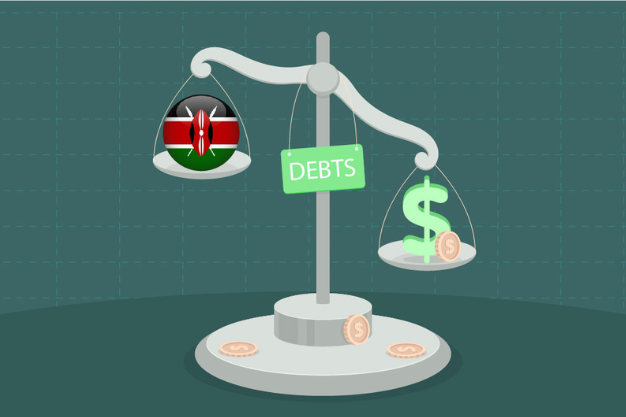
The total figure lost is an estimate drawn from Auditor General reports for Nakuru County between 2016–2024. It was calculated by summing only those entries where the Auditor’s rationale explicitly showed that public money was lost or misused — for example, payments made for stalled or incomplete projects, undelivered goods and services, unsupported bursary disbursements, or expenditures where value for money was not realized.
Entries where the Auditor highlighted risks, accounting delays, pending bills, or documentation gaps without confirming an actual loss were excluded. This ensures the figure reflects only the amounts most clearly identified as compromised funds.
For a complete picture of corruption and financial mismanagement in Nakuru County, review the full list of flagged cases in our database, compiled from Auditor General reports, EACC investigations, and credible media reports.