An estimated KSh 2.64 billion has been lost through corruption cases documented by the EACC and media reports since 2014. Baringo’s corruption network revolves around procurement fraud, embezzlement of public funds, revenue-collection fraud, and abuse of office. Investigations have exposed inflated tenders, irregular payments, and the diversion of funds from essential county projects. EACC reports link senior officials to manipulation of contract processes and misuse of county revenue, while media investigations highlight weak oversight that enables systemic graft.
Wizileaks - County Edition Baringo - The Internal Tender Cartel
Conflict-of-Interest Tender Scheme
KSh 98 Million LostEACC investigators found that Baringo County staff awarded nearly KSh 99 million in tenders to nine companies secretly owned or controlled by county employees. The procurement system was captured from within — those responsible for safeguarding the process positioned themselves as beneficiaries. Oversight mechanisms were neutralized, enabling internal profiteering and undermining the integrity of county procurement operations.

Where it Hurts
Tender Fixing Goes Unpunished
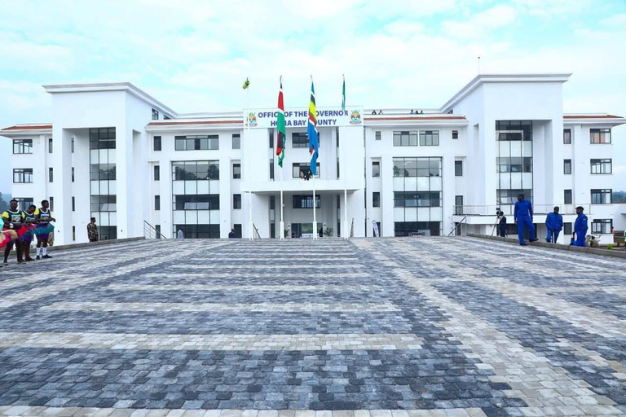
Conflict-of-Interest Tender Scheme Involving County Employees (KSh 98.96 Million, 2020)
EACC records show a direct conflict-of-interest scheme in which county employees, acting as owners or beneficiaries of nine private companies, secured tenders worth KSh 98.96 million. The investigations outline a procurement environment compromised from within — officials who were meant to safeguard the process instead positioned themselves to profit from it.
- County insiders captured the system: Employees used their roles to channel contracts to companies they secretly owned or controlled.
- Oversight neutralised: Procurement reviews could not function where beneficiaries were the same people enforcing compliance.
- Accountability stalled: Despite clear evidence of conflicted tender awards, the case remains under investigation with no disciplinary or administrative action recorded.
- Integrity systems weakened: The episode reflects structural vulnerability in Baringo’s ethics and procurement controls, where political and administrative interests override lawful process.
Since devolution, Baringo has had two governors. While they may not be directly implicated in every scandal, the buck ultimately stops with them. Corruption has persisted across their tenures — not just in spite of their leadership, but often because of the systems they failed to dismantle.
The Buck Stops Here — But the Rot Runs Deeper
Since devolution, Baringo has had 2 governors, each inheriting a county riddled with financial malpractice, rigged tenders, land grabs, and petty bribery. While it’s tempting to tie specific scandals to individual administrations, the truth is far deeper and more troubling. What emerges from the record is not a series of isolated leadership failures, but a well-entrenched system of corruption that has outlived each regime. The real indictment lies in how little successive governors have done to confront or dismantle these networks. True, the buck stopped with them,yet the rot ran deep in a system they oversaw.
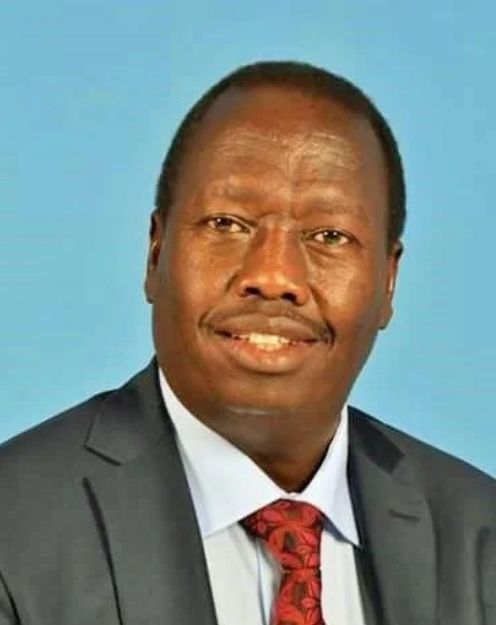
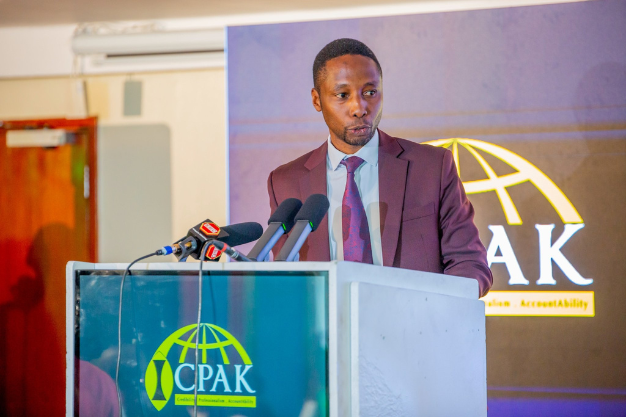
Image source: National Wage Bill Conference
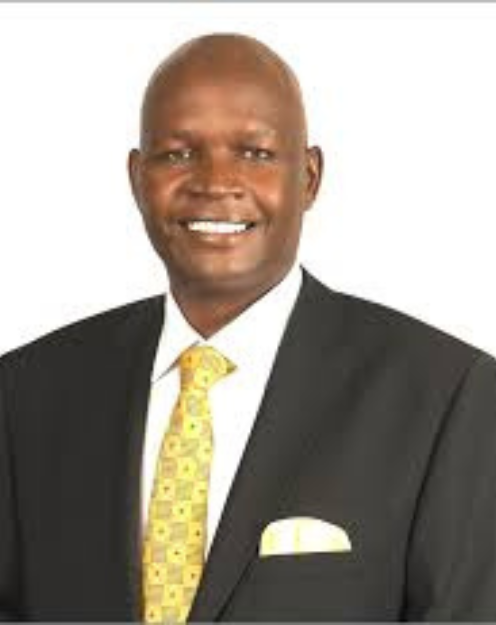
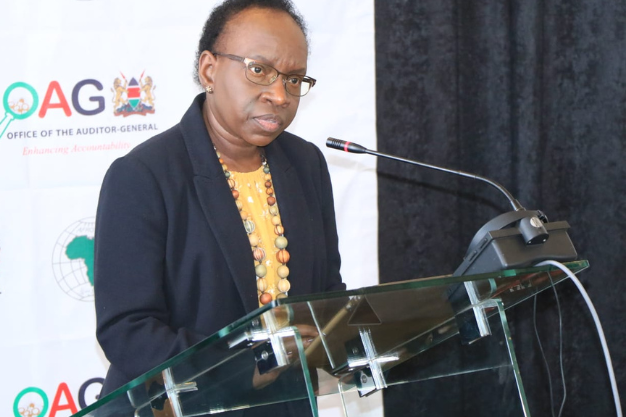
Image source: People Daily
Audit Reports reveal a pattern of systemic cracks
Auditor–General reviews of Baringo County between 2016 and 2024 expose a financial system in persistent disarray. Across successive administrations, the county has struggled to maintain basic accounting discipline. The data shows repeated cases of incomplete records, unsupported payments, and pending bills that roll over from one audit to the next. In total, KSh 28.71 billion was flagged over the past decade for irregularities and poor accountability.
A County Without a Ledger: Weak Internal Controls and Governance
Auditors have repeatedly raised concerns over poor financial management practices in Baringo. The county’s trial balances, bank reconciliations, and asset registers remain chronically inaccurate, showing significant discrepancies between reported and actual balances.
For instance, in 2017/18, the Auditor General highlighted unverified bank balances and unrecorded assets worth KSh 1.9 billion, while several departments failed to maintain updated asset registers. By 2021/22, similar issues persisted, with unreconciled accounts between IFMIS and manual ledgers still unresolved. In 2023/24, the County Treasury again failed to verify physical assets acquired during the development phase, leaving millions unaccounted for.
These recurring anomalies reflect deep structural weaknesses within the County Treasury. Internal audit units remain underfunded, accounting staff are poorly trained, and audit follow-up mechanisms are almost entirely absent.
Debt Without Memory: Persistent Pending Bills and Unresolved Liabilities
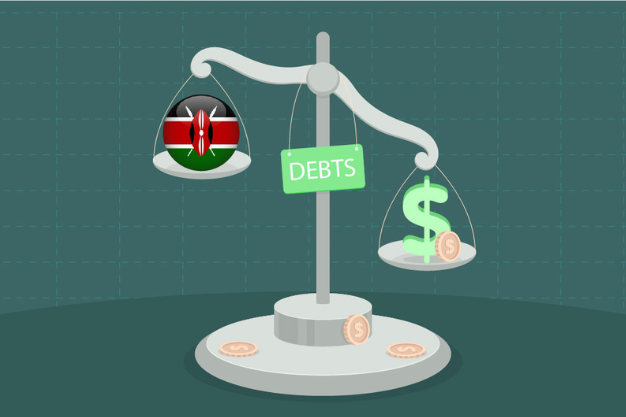
Pending bills and unresolved audit issues have become a permanent feature of Baringo’s accounts. Each year, the county records new obligations while old ones remain unreconciled, distorting the true picture of its financial position.
In 2016/17, auditors reported KSh 2.47 billion in pending bills with inadequate documentation. By 2019/20, the figure stood at KSh 1.86 billion, with many suppliers listed multiple times across fiscal years. From 2020/21 to 2023/24, auditors continued to flag the same issue: unpaid claims carried forward without verification, and budget provisions made for new projects even as previous liabilities remained unsettled.
This cycle reflects a governance culture of disclosure without resolution. The county acknowledges its financial problems each year but fails to implement any meaningful corrective action.
Money Left on the Table: Revenue Leakages and Collection Irregularities
Baringo continues to lose significant revenue due to poor collection systems, manual handling of cash, and failure to reconcile daily returns. The county relies heavily on outsourced collection agents, many of whom have been implicated in non-remittance or delayed deposit of county revenues.
In 2018/19, the Auditor General reported KSh 673 million in uncollected market fees and land rates, citing lack of reconciliation between the Treasury and sub-county offices. By 2022/23, similar concerns resurfaced, with auditors noting that some revenue collectors failed to bank daily receipts. In some cases, receipts were missing altogether.
These persistent losses reveal a weak enforcement framework and a failure to digitize revenue systems. As a result, critical services—from health centres to feeder roads—remain underfunded while leakages continue unchecked.
Accountability without Consequence
From media exposés to EACC investigations, Baringo’s corruption story is one of endless inquiry without consequence.
The data shows more than KSh 300 million under investigation, ranging from inflated hospital tenders
and payroll fraud to bribery and irregular payments, yet no convictions or recoveries appear in record.
Most cases end with files “forwarded to the DPP” or “disciplinary action recommended,”
bureaucratic phrasing that signals inertia, not justice.
Even the scandals first exposed in the press later reappear in EACC reports, renamed and unresolved.
What emerges is a portrait of circular accountability: wrongdoing is acknowledged, investigated,
then quietly absorbed back into the system.
Corruption Database
The total figure lost (displayed at the top of each county profile page) is an estimate drawn from a combination of Ethics and Anti Corruption Commission (EACC) reports and Office of the Auditor General (OAG) reports for Baringo County between 2013–2024. It was calculated by summing only those entries where the Auditor’s rationale explicitly showed that public money was lost — for example, payments made for stalled or incomplete projects, undelivered goods and services, unsupported bursary disbursements, or expenditures where, - and this is the preferred language the OAG liked to use - “Value for money was not realized.”
Specifically on the side of the OAG reports, entries where the Auditor highlighted risks, accounting delays, pending bills, or documentation gaps without confirming an actual loss were excluded, from the top shown at the top of the website. We call these compliance irregularities. However, we maintain these entries in the full dataset, and also in the figure we include in the OAG deep dive section of the website. This ensures the figure reflects only the amounts most clearly identified as compromised funds.
For a complete picture of corruption and financial mismanagement in this county, review the full list of flagged cases in our database, compiled from Auditor General reports, EACC investigations, and credible media reports.