
Wizileaks - County Edition Nairobi Deep Dive
Nairobi County, the jewel in Kenya’s crown, has visibly fallen into a deep decay over the last decade. Its proximity to the central government and its status as a commercial hub make it a haven for the opportunistic and desperate. The city stinks of corruption and the flies have happily come circling around.
An estimated 35.7 billion has been stolen from Nairobi since 2013
Corruption in Nairobi has been pervasive, involving both public officials and private entities in schemes that drain millions from the city's coffers. Large-scale embezzlement and procurement fraud are the most significant, with inflated contracts and ghost projects repeatedly siphoning off vast sums. Land fraud and irregular zoning practices also common occurences, often with private companies colluding with government officials to manipulate deals. Both sectors are involved in bribery and kickback schemes, blurring the line between public duty and private gain. Misappropriation of funds through unauthorized allowances and expenses is also common, reflecting a deeply embedded network of corruption that challenges efforts to achieve transparent governance.
A Tale of a Broken City
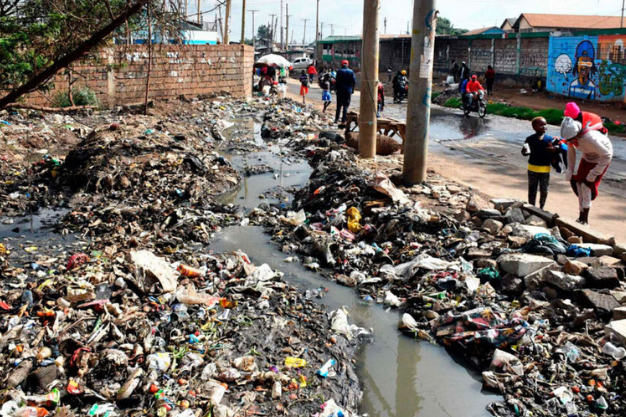
Nairobi County’s waste management crisis is in incredibly bad shape.
But a parcel of land in the city that was set aside for a sewage plant and drainage infrastructure, was mysteriously sold to real estate developers. The sewage plant has never been built, and the already constrained infrastructure continues to be overwhelmed.
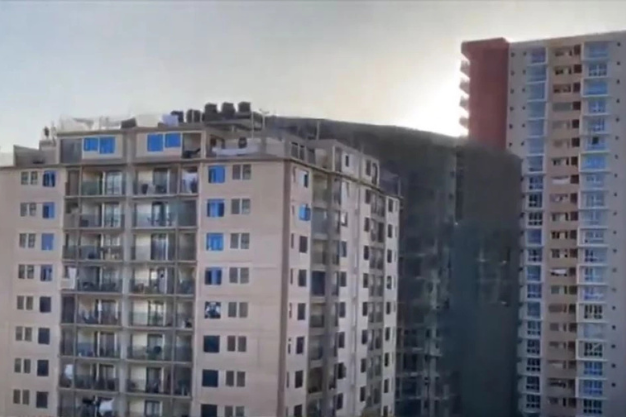
What were once desirable high end neighborhoods are becoming dangerously overpopulated and unlivable. “Cartels” in collaboration with the Police oversee illegal construction of high rise buildings, ignoring infrastructural constraints and environmental limits, and bribing city officials in order to get clearance to state construction.
There is a proliferation of counterfeit alcohol in liquor store shelves across Nairobi. At the same time, the city liquor board, that is tasked with ensuring quality alcohol is accessible to Kenyans, can’t seem to be trusted with the money it collects.

Have a car in Nairobi? You are bound to pay ridiculous, unwarranted fees. And fraudulent meter attendants will have your car towed away for an easy pay day.

More than 400 matatu saccos in Nairobi are not actually licensed by the county. There is collusion between owners and county officials to get certain saccos illegal access to this lucrative business. Any circumvention of public transport authorities is going to one way or another compromise safety as we see with a rise in road accidents around the city.
Since Devolution, Nairobi has been led by 4 governors. Even though they may not be directly implicated in the corruption cases we’ve compiled, ultimately the buck stops with them.

Courtesy | C40
Johnson Sakaja
Amount allegedly lost - Apprx. 2 billion Shillings
Johnson Sakaja’s administration has been marked by a series of controversies beyond just land fraud. While the Sh2 billion pending bills has dominated headlines, his governance has also been tainted by scandals involving dubious zoning practices and alleged misuse of public funds within city projects. Accusations have surfaced about mismanagement in infrastructure development contracts, where financial irregularities and potential kickbacks were reported. These scandals paint a picture of an administration struggling to uphold ethical standards in Nairobi’s complex political landscape.
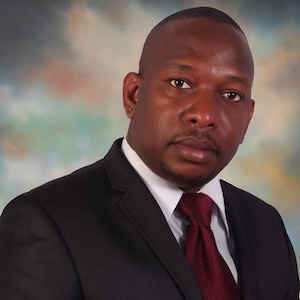
Courtesy | Kwaela News Network
Mike Sonko
Amount allegedly lost - Appx 13 Billion Shillings
Mike Sonko's administration was marked by a series of high-profile corruption scandals that extended beyond the infamous Sh357 million graft case. His time in office saw frequent allegations of embezzlement, particularly in relation to inflated contracts and irregular tender awards. Sonko was accused of using his position to benefit close associates and family members through lucrative county procurement deals. Additionally, there were reports of widespread abuse of office, including bribery and extortion within the licensing and permit departments, which crippled business operations in Nairobi. The administration was also implicated in a series of kickback schemes involving city projects, reflecting a deeply entrenched culture of corruption and impunity that overshadowed his populist rhetoric and promises of transparency.

Mercy Mumo - Mpasho
Anne Kananu
Amount allegedly lost - 1 Billion Shillings
Anne Kananu’s tenure, though brief, was fraught with allegations of corruption and financial mismanagement. Beyond the scandal over travel expenses for ward representatives, her administration was criticized for its handling of procurement contracts, and claims of payments for goods not delivered. Reports emerged of unauthorized allowances and dubious expense claims by county officials, suggesting a pervasive culture of misuse of public funds. These issues underscored systemic challenges in maintaining accountability and transparency within the county government during her time in office.

@kideroevans | Twitter
Dr. Evans Kidero
Amount allegedly lost - 18 Billion Shillings
Evans Kidero’s administration faced multiple allegations of corruption, extending beyond procurement scandals. While the 213 million paid to Ngurumani Traders and Lodwar Wholesaler for services not rendered was a notable issue, his tenure was also marred by issues of financial mismanagement within various county departments. Reports indicated irregular payments to ghost workers, inflating the county’s payroll and draining public resources. Additionally, the administration was implicated in questionable land allocations and licensing deals, raising concerns about favoritism and under-the-table agreements. Kidero's government struggled with persistent allegations of bribery and extortion, particularly within the licensing and regulatory departments, reflecting deep-rooted corruption that hindered Nairobi’s governance and development.
Corruption Database
You can find a comprehensive list of all the scandals we have explored here