Wizileaks - County Edition Kericho — An unfinished water project leaves 65,000 vulnerable
An estimated KSh 4.14 billion has been lost to corruption in Kericho County since 2016, based on EACC investigations and verified media reports. Kericho’s corruption landscape is defined by procurement fraud, embezzlement of public funds, land grabbing, and abuse of office — a pattern of inflated contracts, irregular tender awards, and diversion of public resources through politically connected networks. County property has been illegally transferred, development funds misused, and oversight mechanisms systematically weakened.
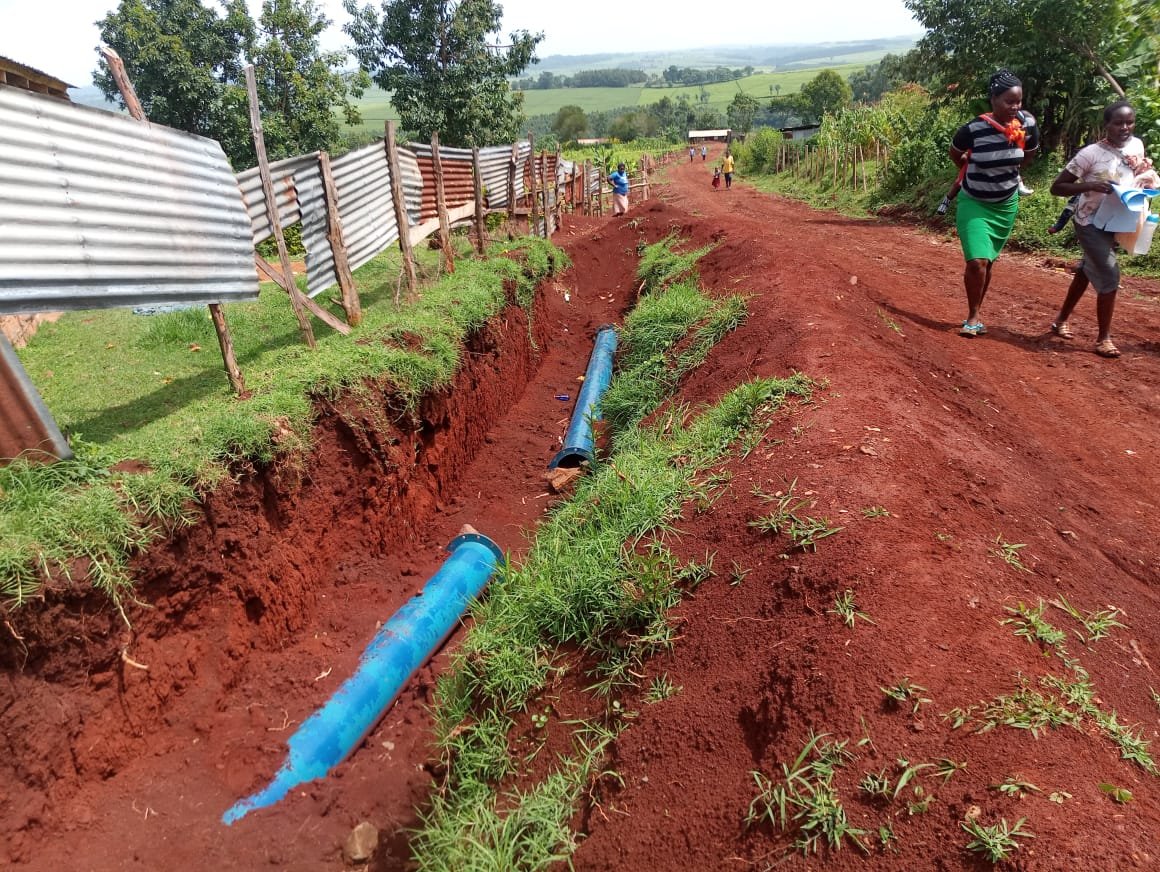
Kipkobob Water Project Scandal
KSh 320 Million Lost
The largest scandal uncovered in Kericho. The Kipkobob Water Project collapsed under
county mismanagement. Launched in 2019 by Governor Paul Chepkwony, executed by
Baraki International Ltd, and overseen by the Kericho County Water Department,
the scheme was intended to serve more than 65,000 households across Bureti. To date,
it has delivered nothing but abandoned trenches, safety hazards, and rising malaria cases.
In 2022, residents of Kipkobob protested, filing petitions with county leaders and the
EACC, accusing officials of failed public participation, missing environmental
assessments, and wasting the entire allocation.
Where it Hurts
Impeachment Motion Raises Questions on Transparency
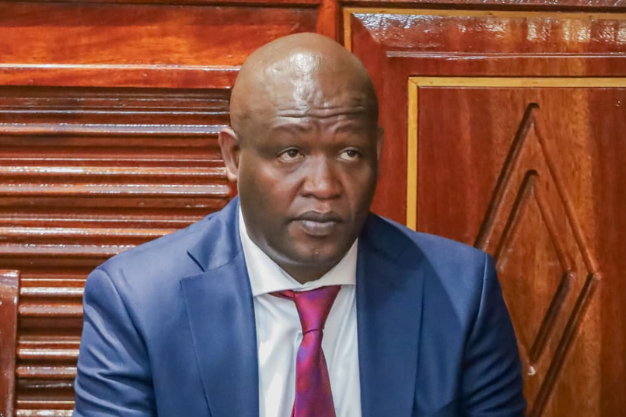
Kericho’s top leadership has been repeatedly probed for abuse of office, conflict of interest, and obstruction of investigations. The most visible example came with the charges presented during the impeachment motion against Governor Eric Mutai in 2024 and 2025, which exposed deep fractures in governance at the county’s highest level.
The charges presented to the Senate for hearings on several dates — including August 20th and 29th, 2025 — saw the governor face accusations of gross violation of the Constitution, financial misconduct, and interference in procurement processes. The proceedings revealed patterns of administrative intimidation, misuse of county resources, and concealment of audit queries.
- Ignored oversight: Internal audits delayed or suppressed during the probe.
- Political shielding: Key witnesses and county officers pressured to withdraw testimonies.
- Public trust eroded: The impeachment divided leadership and disrupted service delivery.
The Tender Trap: Procurement as a Marketplace for Corruption
EACC investigations have exposed systemic manipulation of Kericho’s procurement systems — inflated contracts, falsified evaluations, and conflict of interest defining the tendering process. The corruption runs through the entire supply chain, from bid evaluation to payment authorization.
Consider how KSh 1.5 Billion has been lost to fishy tenders and undelivered work. Between 2020 and 2024, EACC probed irregular tender awards totaling KSh 1.5 billion. Contracts were issued without proper evaluation, documentation was missing, and payments were made for incomplete or undelivered work.
- Due process ignored: Evaluation committees bypassed technical checks.
- Collusion entrenched: County officers and contractors conspired for inflated deals.
- Money for nothing: Payments made before project verification.
- No closure: Investigations concluded with minimal or no prosecutions.
Since devolution, Kericho has had two governors. While they may not be directly implicated in every scandal, the buck ultimately stops with them. Corruption has persisted across their tenures — not just in spite of their leadership, but often because of the systems they failed to dismantle.
The Buck Stops Here — But the Rot Runs Deeper
Since devolution, two governors have held office in Kericho, each inheriting a county already steeped in financial malpractice, rigged tenders, land grabs, and small-scale graft disguised as routine governance. But the story here isn’t about individual wrongdoers; it’s about a system that never resets. Across administrations, corruption has survived transitions, audits, and even impeachment attempts. Every new regime has promised reform, only to replicate the same networks of patronage and protection. The evidence shows continuity, not change, a pattern where oversight collapses, accountability is negotiated, and misconduct becomes institutional memory. The buck may stop at the governor’s desk, but in Kericho, the rot runs through the walls.
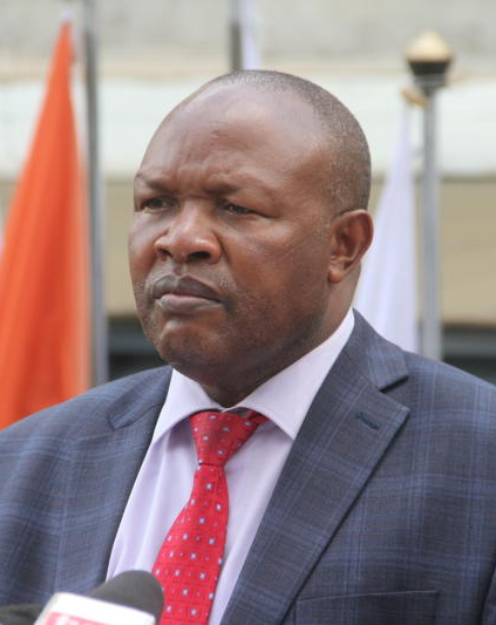
Image source: The Standard
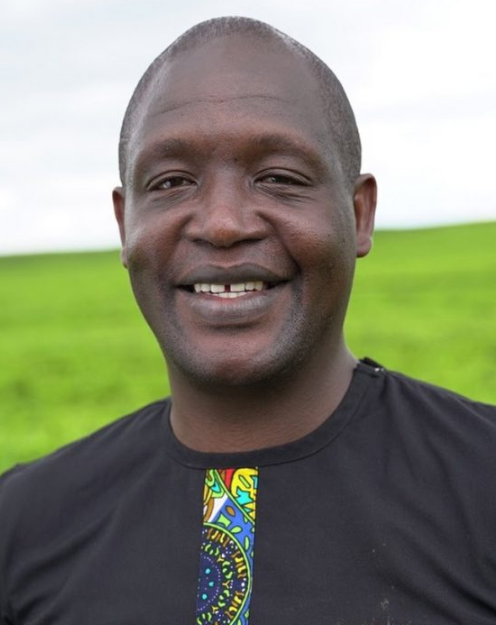
Image source: Kalenjin Media
Audit Reports reveal a pattern of systemic cracks
Auditor–General reviews of Kericho County (2016–2024) trace a decade-long pattern of financial disorder. Billions have been flagged over weak internal controls, unsupported expenditure, and unresolved audit queries — signs of a system that spends faster than it can account.
28.71 Billion
Total flagged by the Auditor General between 2016 and 2024 for Kericho County.
A County Without a Ledger: Weak Internal Controls and Governance
Auditors have repeatedly raised concerns over poor financial management practices in Kericho. The county’s trial balances, bank reconciliations, and asset registers remain chronically inaccurate, showing significant discrepancies between reported and actual balances. For instance, in 2016/17, the Auditor General reported an unbalanced trial balance of KSh 5.63 billion, where debits and credits could not be reconciled. By 2019/20, the same issue resurfaced, with variances between IFMIS records and financial statements still unresolved. These recurring anomalies reflect deep structural weaknesses within the County Treasury.
Debt Without Memory: Unresolved Audit Issues & Pending Bills
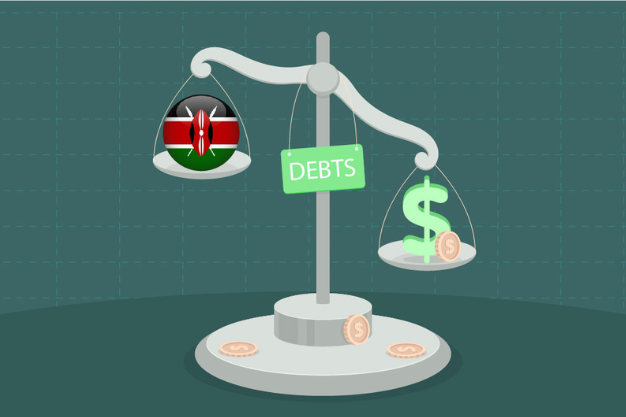
Pending bills and unresolved audit findings have become a fixture in Kericho’s books, with liabilities carried forward instead of being resolved. The county routinely discloses outstanding payments without evidence of delivery or verification. In 2016/17, auditors recorded KSh 176.7 million in unsupported pending bills. By 2019/20, this grew into KSh 412 million in disclosed but unverified obligations. From 2020/21 through 2023/24, auditors continued to flag reconciliation gaps, showing bills recorded without supporting documentation or confirmation from suppliers.
Money Left on the Table: Revenue Leakages
Kericho’s revenue collection mechanisms remain fragile and inconsistent. The county continues to lose significant revenue through unbilled assets, uncollected rates, and weak enforcement against defaulting entities. In 2016/17, the Auditor General reported KSh 556.2 million in uncollected “contributions in lieu of rates” from government institutions occupying county land. By 2019/20, the same issue persisted, compounded by poor follow-up and lack of coordination with the National Treasury. In 2022/23, auditors flagged another shortfall in local revenue, citing poor system integration and manual collection practices that allow leakage. Kericho’s weak revenue base directly affects service delivery—fewer funds for health, infrastructure, and education—creating a self-perpetuating cycle of fiscal inefficiency.
Accountability without Consequence
From media reports to formal EACC investigations, the story in Kericho is one of motion without closure.
Reported arrests, impeachment threats, and asset preservation orders rarely translate into justice or recovery.
Cases amounting to nearly KSh 800 million in suspected graft show no confirmed recoveries and no convicted officials.
Even smaller scandals end quietly — suspects freed on bond, inquiries stalled, files forwarded into silence.
Together, the Auditor General’s findings, EACC dockets, and media exposés trace a consistent arc:
corruption is investigated, sometimes dramatized, but seldom punished.
Corruption Database
The total figure lost(displayed at the top of each county profile page) is an estimate drawn from a combination of Ethics and Anti Corruption Commission (EACC) reports and Office of the Auditor General (OAG) reports for Kericho County between 2013–2024. It was calculated by summing only those entries where the Auditor’s rationale explicitly showed that public money was lost — for example, payments made for stalled or incomplete projects, undelivered goods and services, unsupported bursary disbursements, or expenditures where, - and this is the preferred language the OAG liked to use - “Value for money was not realized.”
Specifically on the side of the OAG reports, entries where the Auditor highlighted risks, accounting delays, pending bills, or documentation gaps without confirming an actual loss were excluded, from the top shown at the top of the website. We call these compliance irregularities. However, we maintain these entries in the full dataset, and also in the figure we include in the OAG deep dive section of the website. This ensures the figure reflects only the amounts most clearly identified as compromised funds.
For a complete picture of corruption and financial mismanagement in this county, review the full list of flagged cases in our database, compiled from Auditor General reports, EACC investigations, and credible media reports.