
Wizileaks - County Edition Kiambu Deep Dive
Corruption in Kiambu County runs deep, with widespread embezzlement, inflated contracts, and ghost worker scams, driven by a cozy relationship between private companies and local officials, and a lack of real accountability keeping the system alive
An estimated 8.6 Billion has been lost between 2013 and 2023.
Corruption in Kiambu County is marked by persistent embezzlement, procurement fraud, and misuse of public funds, often involving substantial amounts. The most significant financial losses typically stem from ghost worker schemes, where public payrolls are bloated with non-existent employees, resulting in millions of Kenyan shillings being siphoned off annually. These schemes are the most repetitive, reflecting a systemic issue within county administration. Private companies often collaborate with local government officials to exploit procurement processes, securing contracts at inflated prices or for projects that never materialize. This collusion allows both private and public entities to benefit from the misallocation of resources, further embedding corruption into the county's operations. Fraudulent land deals also feature prominently, with politically connected individuals manipulating regulations to gain lucrative land rights or compensation. The consistent involvement of both private and public entities indicates a deeply rooted network of corruption, where oversight mechanisms are either complicit or ineffective. The high frequency and scale of these corrupt practices highlight a failure to enforce accountability, enabling these networks to persist and thrive despite occasional public exposure and scandal.
From Green Fields to Concrete Jungle
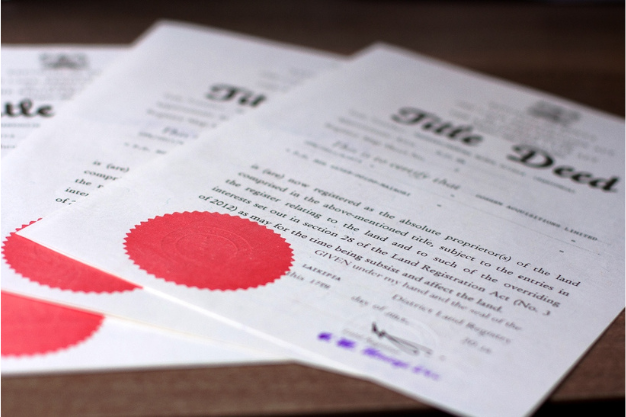
Throw a stone in Kiambu and it would probably land on someone who is the lucky 10th buyer of the same plot, or another is convinced to pay the deposit for land they haven't seen yet because the plots are almost sold out. Fraudulent practices such as double registration, illegal land transfers, sale of public land, and scams involving fake titles are common. A review of the asset register for audit revealed that 2,762 parcels of land were listed as owned by the Kiambu County Government. However, 29 titles were not registered in the county's name, with 4 deeds in the names of individuals and 25 deeds held by municipalities.
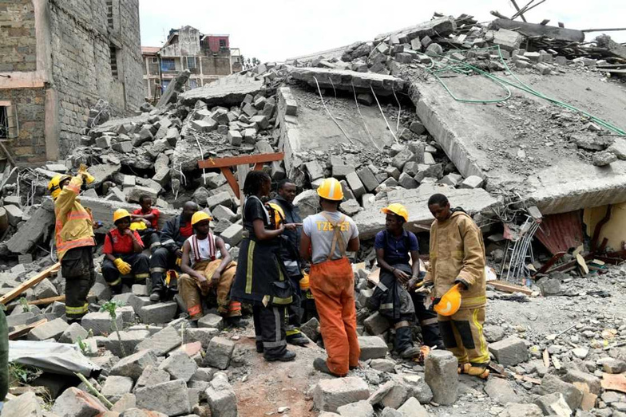
Over 80% of Kiambu buildings are unsafe. In 2019, Kiambu County reported 14 collapsed buildings, making it the second highest in the number of such incidents after Nairobi, which had 33.Corruption within the regulatory bodies allows developers to bypass inspections and get approval without meeting necessary standards.
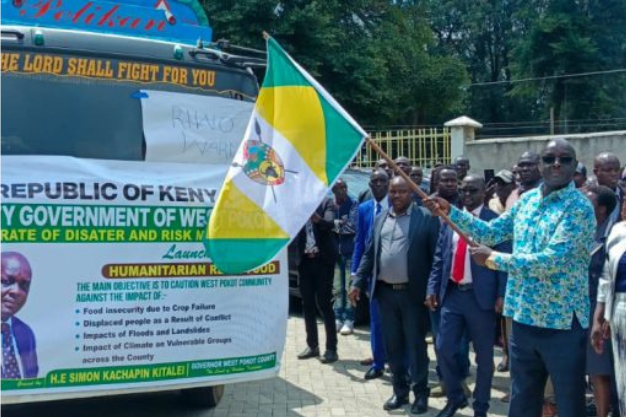
Kiambu County has had 4 governors since the start devolution. Even though they may not be directly implicated in the scandals we’ve compiled, each of them oversaw a regime where corruption thrived.

Courtesy | Kiambu.go.ke
Kimani Wa Matangi:
Amount allegedly lost - Apprx. 3.6 billion Shillings
Under Kimani Wa Matangi’s administration, corruption has persisted, focusing primarily on employment scandals and questionable financial decisions. His leadership has been criticized for maintaining an oversized public payroll which burdened the county’s budget. Allegations of graft have also emerged regarding allocation of development funds, revealing systemic issues that continue to afflict Kiambu. Despite public commitments to reform, Matangi’s governance has struggled to confront and dismantle the corruption endemic to the county’s political landscape.

Courtesy | Citizen Digital
James Nyoro
Amount allegedly lost - Appx 1.3 Billion Shillings
James Nyoro’s brief tenure as governor was marked by continued corruption challenges, particularly involving procurement and public resource management. Despite efforts to distance his administration from his predecessor's misdeeds. The office of the Auditor General blew the lid to well-guarded corruption schemes involving fictitious imprest claims, exaggerated purchase of airtime worth, irregular procurement and doubtful payments of conference facilities, trainings and double payments of allowances to County Executive Committee Members (CECMs) and Members of the County Assembly (MCAs) by both the Assembly and the executive.
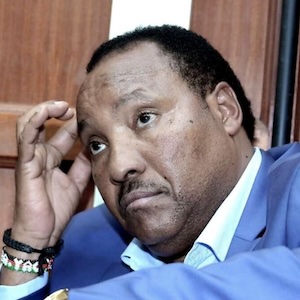
Courtesy | Nation
Ferdinand Ndungu Waititu
Amount allegedly lost - 2.1 Billion Shillings
Ferdinand Ndungu Waititu's governance in Kiambu was marred by rampant corruption, focusing on embezzlement and public fund misappropriation. His tenure saw numerous scandals, including inflated contracts, illegal land deals, and ghost workers, leading to significant financial losses for the county. Waititu himself faced charges over millions of Kenyan shillings allegedly lost through fraudulent schemes. The administration’s blatant disregard for fiscal accountability and legal standards led to his impeachment, underscoring the deep-rooted corruption in his government.

@honkabogo | X.com
William Kabogo Gitau
Amount allegedly lost - 1.5 Billion Shillings
During William Kabogo Gitau's term as Kiambu's governor, corruption allegations centered on procurement irregularities and misuse of county funds. There were also reports of irregular payments and unaccounted expenditures, contributing to a governance culture where oversight was lax. While he maintained a strong public persona, the lack of transparency in financial dealings set a precedent for future administrations' mismanagement.
Corruption Database
You can find a comprehensive list of all the scandals we have explored here