
Wizileaks - County Edition Mombasa Deep Dive
Mombasa County, Kenya's coastal gem, known for its rich history, vibrant culture, and bustling port, is a city of stunning beauty and appeal; however, corruption and mismanagement has tarnished its charm.
An estimated 7.1 billion has been stolen from Mombasa since 2013
Corruption in Mombasa County is characterized by bribery, fraud, embezzlement, misappropriation of public funds, and irregular procurement. The most significant financial losses typically occur in public infrastructure projects, such as the KES 25 billion misappropriated for road construction, involving public entities like the National Land Commission (NLC) and the Kenya National Highways Authority (KeNHA). Then there’s the land grabbing. In Mombasa, it’s not uncommon to hear about another piece of prime public land being snatched up, often with the help of insiders who know how to play the system. Public officials and private entities collude to illegally acquire valuable public land.
Mombasa si Raha
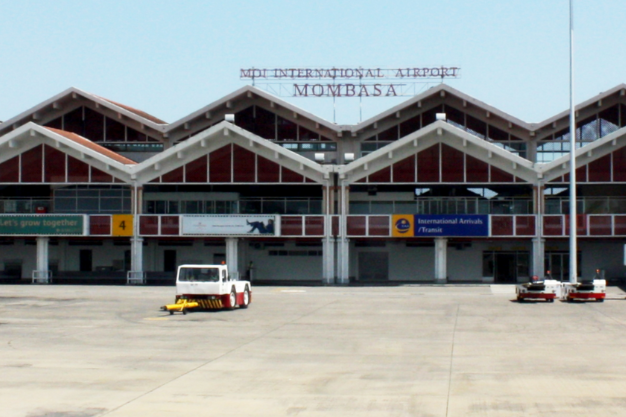
Mombasa is one of the leading counties in Kenya facing significant land grabbing challenges. The Ethics and Anti-Corruption Commission (EACC) has 130 cases in court involving properties valued at KSh10 billion that have been illegally acquired within the county. Land parcel worth over KSh.100 million was grabbed from the Postal Corporation of Kenya in Mombasa by a senior county official.
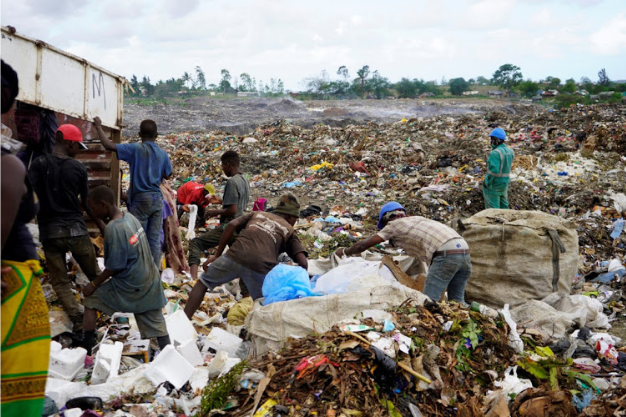
Mombasa County has long struggled with a severe waste crisis. The Kibarani landfill, opened 50 years ago near the city center, has far exceeded its capacity.An alternative site at Mwakirunge, located 20 km outside the city and on the flight path of Moi International Airport, poses a threat to aircraft due to scavenging birds. In May 2022, the Mombasa High Court ordered the county government to cease dumping waste there. Meanwhile, senior County officials are facing fraud allegations for irregularly awarding contract and payment amounting to Ksh. 1 Billion garbage collection services between 2014 and 2015, contributing to the county’s waste management woes.
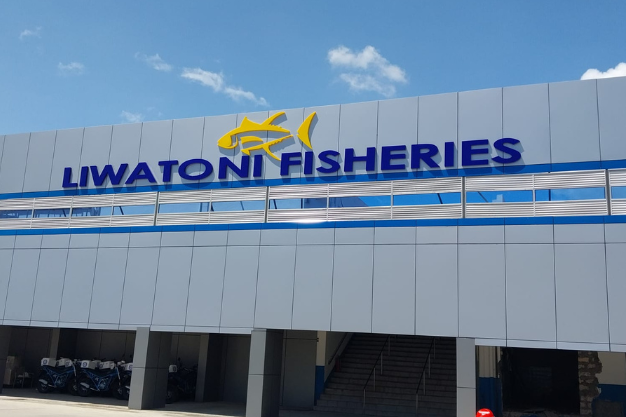
Mombasa has been identified by the EACC as one of 19 counties where governors and county assemblies have been implicated in the misappropriation of millions of shillings, primarily through procurement irregularities. Notable cases include the irregular procurement of an ultra-modern fish hub at Liwatoni Fisheries Complex and malpractices in the tender for constructing a multi-storey office block by the Kenya Maritime Authority (KMA). Additionally, there were irregularities in the procurement process for the clearing, repair, and repainting of Tank 14-tk-301 at Kipevu Oil Storage Facility (KOSF). Another example is the unlawful transfer of funds allocated to Mrima Secondary School to Likoni Secondary School, reflecting a broader pattern of non-compliance with procurement laws.
Mombasa County has had 2 governors since the start devolution. Even though they may not be directly implicated in the scandals that we have compiled, each of them led an administration ridden with corruption
Courtesy | Facebook
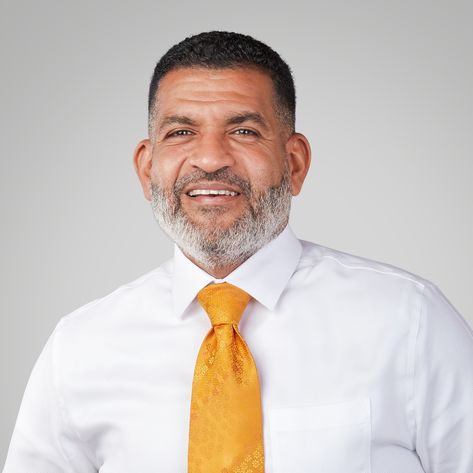
Abdullswamad Sheriff Nassir
Amount lost: unspecified
During Abdulswamad Nassir's tenure as governor of Mombasa, while no direct evidence of funds lost to corruption has been found, the county remains under scrutiny by the EACC, signaling ongoing concerns. Notably, Nassir has been summoned over contempt in a multi-billion property suit, in which his officers had not been vacated from a piece of private property, owned by Innovative Properties limited.. Additionally, the county's financial management is under strain, with wage expenditures between 50% and 55% of revenue collect exceeding the legal cap of 35%. This leaves limited resources for development projects. These issues highlight the challenges of maintaining transparency and fiscal responsibility in the administration.
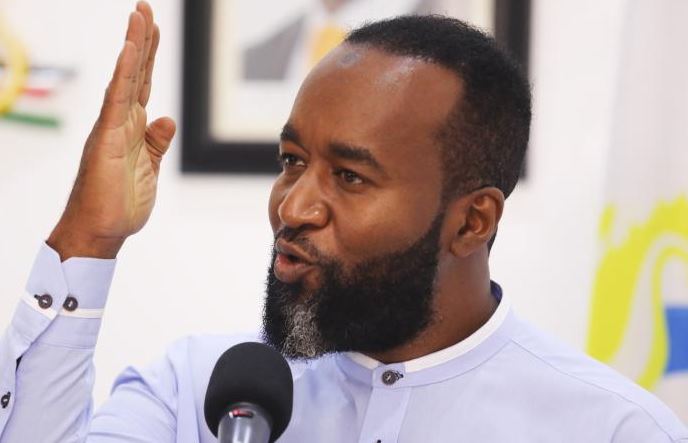
Courtesy | The Standard
Ali Hassan Joho
Amount lost - Appx 7,166,147,904 (7.1 billion shillions)
Hassan Joho's tenure as governor of Mombasa was characterized by numerous corruption scandals and financial mismanagement. His administration faced repeated allegations of bribery, with officials soliciting and accepting bribes for services like releasing impounded vehicles and licenses. Irregular procurement practices were common, including inflated costs for government purchases and unauthorized payments for services like garbage collection. Significant amounts of county revenue were unaccounted for, and property income records showed discrepancies. Additionally, infrastructure projects, such as the construction of ECD centers, were delayed and poorly managed, leading to cost overruns and incomplete work. These issues underscored widespread corruption and inefficiency, severely affecting governance and public services during Joho's time in office.